


Search engine optimization has evolved dramatically over the last few years, but one ranking factor continues to remain important: high-quality backlinks. While many outdated SEO tactics have lost effectiveness, contextual backlinks from relevant websites still play a major role in improving search visibility, authority, and long-term organic growth.
Businesses today are competing in an environment where Google values trust, relevance, and topical authority more than ever before. That means random link placements and spammy backlink strategies no longer produce sustainable results. Instead, search engines are rewarding websites that earn links naturally through relevant content and meaningful connections across the web.
Companies specializing in modern link building strategies, such as slot 88, focus on niche-relevant placements and contextual backlinks designed to align with current SEO standards and user expectations.
What Are Contextual Backlinks?
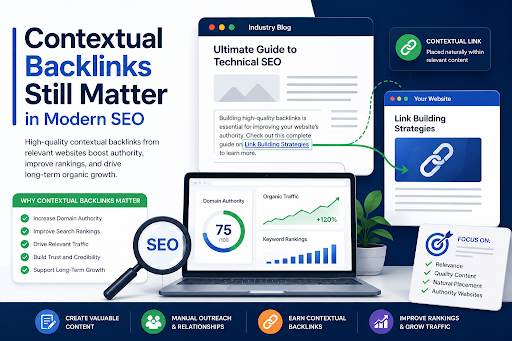
A contextual backlink is a link placed naturally within the content of an article, blog post, or webpage. Unlike sidebar links, footer links, or unrelated directory submissions, contextual links appear inside relevant content where they make sense to readers.
For example, if a digital marketing blog discusses technical SEO and references another detailed SEO guide within the article, that link is considered contextual because it supports the topic being discussed.
Search engines view these links as stronger trust signals because they are connected to relevant content and provide value to users.
Why Relevance Is More Important Than Volume
In the past, many websites focused purely on acquiring large numbers of backlinks regardless of quality. Modern SEO works differently. Today, a smaller number of highly relevant links often performs better than hundreds of low-quality ones.
Industry discussions within SEO communities consistently highlight the importance of niche relevance over raw link quantity. Many SEO professionals now prioritize manual outreach, editorial placements, and industry-specific backlinks instead of mass link building campaigns.
Google’s algorithms have become increasingly effective at detecting unnatural link patterns. Websites using manipulative backlink tactics risk losing rankings or being impacted by algorithm updates.
That is why sustainable link building strategies focus on:
- Niche relevance
- Natural anchor placement
- Contextual integration
- Editorial quality
- Long-term authority growth
The Role of Content in Link Building
Strong content and strong backlinks now work together. It is difficult to earn quality links without publishing useful and informative content first.
Websites that consistently produce valuable resources are more likely to attract:
- Organic mentions
- Editorial backlinks
- Guest posting opportunities
- Social shares
- Referral traffic
This is why content marketing has become a central part of modern off-page SEO strategies. Many agencies now combine content creation with outreach campaigns to build authority more naturally.
Manual Outreach vs Automated Link Building
One of the biggest differences between low-quality and high-quality SEO campaigns is how backlinks are acquired.
Automated systems often generate irrelevant links at scale, which can create spam signals and reduce trust over time. In contrast, manual outreach focuses on building relationships with real websites and publishers within relevant industries.
SEO professionals across online communities frequently emphasize that manual, niche-focused outreach produces more stable long-term results compared to mass automation.
Manual link building usually involves:
- Identifying relevant websites
- Pitching valuable content ideas
- Creating contextual guest posts
- Securing editorial mentions
- Building industry partnerships
Although slower, this approach tends to create stronger authority and lower long-term SEO risk.
Backlinks and AI Search Visibility
Search engines are also entering the AI-powered search era, where authority signals play an even bigger role in determining which sources appear in generated answers and summaries.
According to modern SEO service providers, backlinks continue to influence not only traditional rankings but also broader search visibility across AI-assisted search systems.
This means websites investing in trustworthy link profiles today are positioning themselves for future search environments as well.
Sustainable SEO Requires Patience
One of the biggest misconceptions about SEO is expecting instant results. Effective link building is usually gradual because search engines evaluate consistency and natural growth patterns over time.
High-quality backlinks often produce stronger results when combined with:
- Technical SEO optimization
- High-value content
- Internal linking strategies
- Positive user experience
- Consistent publishing schedules
SEO is no longer about shortcuts. It is about building long-term authority that search engines and users can trust.
As competition continues to grow online, contextual backlinks remain one of the most valuable components of sustainable SEO success.
