


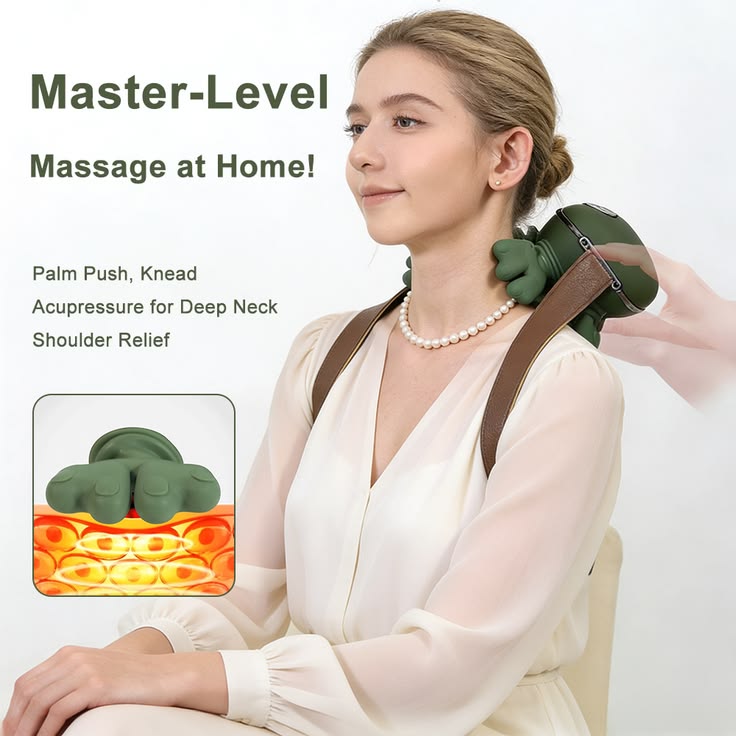
When it comes to relieving neck and shoulder tension, two popular approaches dominate the personal wellness market: traditional shiatsu-style massage and modern Hand Simulated Neck shoulder massager technology. Both aim to reduce muscle stiffness, improve circulation, and ease pain, but they differ significantly in how they achieve these results.
Understanding the mechanics behind each approach helps clarify which one may be more effective depending on your type of discomfort, lifestyle, and recovery needs.
What Traditional Shiatsu Massage Actually Is
Shiatsu is a Japanese massage technique based on applying rhythmic pressure using fingers, thumbs, and palms along specific points of the body.
Core Principles
- Focused pressure on acupressure points
- Rhythmic compression and release
- Energy flow balancing along muscle pathways
- Manual therapist control and intuition
How Shiatsu Works in Practice
A therapist uses body weight and finger pressure to:
- Loosen tight muscle fibers
- Improve blood circulation
- Reduce stress-related tension
- Stimulate relaxation responses
It is highly dependent on the skill and sensitivity of the practitioner.
What Hand-Simulated Massage Technology Means
Hand-simulated massagers are mechanical devices designed to replicate human touch using rotating nodes, motor-driven pressure, and programmed movement patterns.
Core Features
- Finger-like kneading nodes
- Palm-style compression zones
- Adjustable speed and pressure settings
- Heat-assisted relaxation
- Automated rhythm variation
These systems aim to mimic the techniques of a massage therapist without manual intervention.
Key Differences in How They Work
1. Human Control vs Mechanical Precision
Shiatsu
- Fully controlled by a therapist
- Adjusts in real time based on feedback
- Highly adaptive to individual muscle response
Hand Simulation
- Pre-programmed or semi-adaptive motion
- Consistent pressure and rhythm
- Limited real-time sensitivity
2. Pressure Application
Shiatsu
Uses intuitive pressure adjustments based on:
- Muscle resistance
- Pain feedback
- Body alignment
Hand Simulation
Uses mechanical settings:
- Fixed intensity levels
- Adjustable but not intuitive pressure changes
- Consistent kneading force
3. Targeting Precision
Shiatsu
Can pinpoint exact trigger points through tactile feedback.
Hand Simulation
Uses anatomically designed node placement to approximate key muscle areas like:
- Trapezius
- Cervical spine base
- Shoulder junction
Which One Is Better for Pain Relief?
The answer depends on the type of pain and the context of use.
1. For Chronic Muscle Knots
Advantage: Shiatsu
A trained therapist can locate and treat deep, stubborn knots more precisely through manual feedback.
2. For Daily Tension and Stress Relief
Advantage: Hand-Simulated Massage
Devices provide consistent, convenient relief without needing appointments or external help.
3. For Posture-Related Neck and Shoulder Strain
Slight Advantage: Hand Simulation
Modern devices are specifically designed for desk-related tension patterns and can be used frequently.
4. For Personalized Deep Tissue Work
Advantage: Shiatsu
Human intuition still excels in adjusting pressure dynamically during treatment.
The Role of Technology in Closing the Gap
Modern hand-simulated systems have significantly improved in replicating human techniques.
1. 4D Motion Variation
Adds time-based changes in speed and pressure to mimic therapist adaptability.
2. Heat Integration
Replicates the warmth of human hands, improving muscle relaxation.
3. Ergonomic Contouring
Devices are shaped to align with neck and shoulder anatomy for better targeting.
4. Multi-Point Kneading Nodes
Simulate thumb and palm combinations for deeper muscle engagement.
Why Many Users Prefer Hand-Simulated Devices
Despite the benefits of shiatsu therapy, personal devices offer practical advantages.
Convenience
- Available anytime
- No appointment required
- Usable at home or office
Consistency
- Same pressure every session
- No variation in therapist technique
Cost Efficiency
- One-time purchase vs recurring sessions
Frequency of Use
Short daily sessions often provide better long-term relief than occasional professional visits.
Where Traditional Shiatsu Still Wins
Human Intuition
A therapist can instantly respond to subtle muscle feedback.
Complex Pain Conditions
More effective for unusual or deeply rooted musculoskeletal issues.
Holistic Body Assessment
Shiatsu practitioners can assess posture and tension patterns beyond a single device’s scope.
The Best Approach: Combining Both
Many users find the best results come from using both methods.
Professional Shiatsu
- Occasional deep treatment
- Targeted correction of severe knots
Hand-Simulated Devices
- Daily maintenance
- Stress reduction
- Preventing tension buildup
Final Thoughts
Hand-simulated massage technology and traditional shiatsu therapy each offer distinct advantages. Shiatsu excels in personalized, adaptive deep-tissue work guided by human intuition. Hand-simulated devices, on the other hand, provide consistent, accessible, and anatomically designed relief tailored to modern lifestyles.
For most people dealing with everyday neck and shoulder tension, hand-simulated massagers offer a practical and highly effective solution. However, for complex or persistent pain, traditional shiatsu therapy still holds an important edge. The most effective strategy often lies in combining both approaches to maintain long-term muscle health and comfort.
