


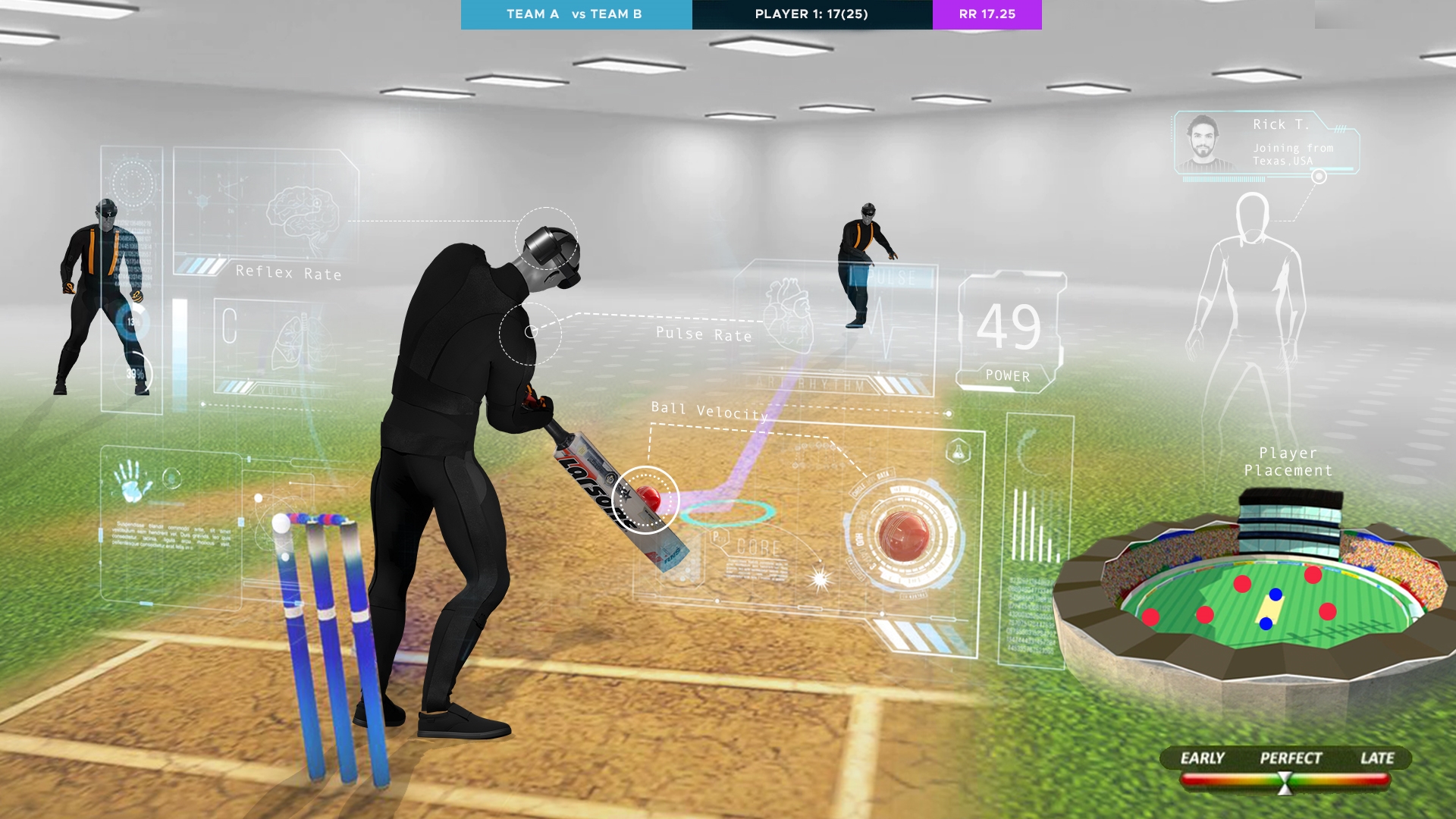
Cricket has always been a game of numbers — from batting averages to strike rates, from run chases to wicket tallies. But in the modern era, data has taken on a new meaning. With the rise of artificial intelligence (AI) and advanced analytics, cricket is being transformed into a science of prediction, strategy, and precision. AI is no longer just a tool for post-match analysis — it’s becoming a powerful force capable of forecasting outcomes, shaping tactics, and redefining how teams approach the game.
The Evolution of Cricket Analytics
Cricket analytics began with basic statistics — runs scored, wickets taken, and strike rates. Over time, analysts started examining more Jeetbuzz complex metrics such as shot placement, pitch maps, and player efficiency under pressure. Today, with AI and machine learning, the game has entered a new phase where massive datasets can be processed to uncover patterns invisible to the human eye.
From predicting player performance to optimizing bowling changes, analytics has become an essential part of modern cricket strategy. AI brings speed, accuracy, and insights that help teams make data-backed decisions in real time.
How AI Predicts Match Outcomes
AI models analyze thousands of variables before, during, and after matches to forecast results. These systems process historical match data, player statistics, weather conditions, pitch reports, and even crowd behavior to calculate probabilities.
Machine learning algorithms continuously improve as more data becomes available, learning from past results to refine their predictions. This allows AI to forecast outcomes such as:
- The likelihood of a team winning a match
- Expected individual performances
- Predicted run rates in different overs
- The probability of wickets falling under specific conditions
These predictions aren’t about certainty but probability — offering teams a strategic advantage in planning and adapting.
The Role of Big Data in Cricket
Cricket generates enormous amounts of data with every ball bowled. Tracking technologies like Hawk-Eye, Snickometer, and PitchVision collect detailed information about ball trajectories, spin, bounce, and player movements.
This data feeds AI models, enabling them to simulate thousands of match scenarios and outcomes. Teams use these insights to decide everything from field placements to batting orders. For example, an AI model might suggest promoting a batsman who performs well against left-arm spinners on slow pitches — a decision backed by data rather than intuition alone.
Player Performance Forecasting
One of the most exciting applications of AI in cricket is player performance prediction. By analyzing a player’s form, physical condition, Jeetwin and past performances in similar situations, AI can estimate how they are likely to perform in an upcoming match.
This helps coaches decide on team selection, manage player workloads, and design personalized training programs. It also assists in predicting match-winning partnerships or identifying players who might struggle against certain bowling types or conditions.
AI in Tactical Decision-Making
During live matches, AI systems can analyze real-time data and suggest tactical adjustments. For example:
- Recommending bowling changes based on pitch wear and batter weaknesses
- Predicting optimal field placements for high-risk shots
- Advising on whether to bat first or chase based on weather forecasts and historical patterns
This integration of technology allows teams to react quickly to changing dynamics and make decisions supported by data rather than emotion.
Fan Engagement Through Predictive Analytics
AI isn’t just transforming how teams play — it’s changing how fans experience cricket. Broadcasters and apps now use predictive analytics to keep audiences engaged with features like:
- Win probability charts that update ball by ball
- Interactive prediction games
- AI-driven match simulations before games begin
These tools make cricket more immersive, allowing fans to understand the tactical side of the game like never before.
AI and Betting Integrity
While predictive technology enhances entertainment, it also raises concerns around betting and match integrity. To prevent misuse, cricket boards and technology providers implement strict data privacy and ethical controls. AI is also used to monitor suspicious betting patterns and detect potential match-fixing activities, ensuring the sport remains fair and transparent.
Challenges and Limitations
Despite its power, AI in cricket isn’t flawless. Factors such as human emotion, player psychology, and unforeseen events like injuries or weather changes can’t be perfectly modeled. Cricket remains unpredictable — and that’s part of its beauty.
Additionally, smaller cricketing nations often lack the infrastructure to collect and process advanced data, creating an imbalance in access to technology-driven insights. Ensuring fair use and accessibility remains a key challenge.
The Future of AI in Cricket
As technology advances, AI’s role in cricket will continue to grow. Future systems may incorporate biometric data, real-time player health monitoring, and even AI-driven coaching assistants that adapt to each athlete’s style.
We may soon see fully integrated analytics platforms guiding teams with predictive insights that are as intuitive as they are precise — making cricket both smarter and more strategic.
Conclusion
Artificial intelligence has brought cricket into a new era of innovation and intelligence. By blending data with instinct, teams are redefining how the game is played, analyzed, and enjoyed.
While AI can’t predict every twist and turn of a match, it’s helping players and fans understand the sport on a deeper level. In a game where one ball can change everything, AI doesn’t remove uncertainty — it helps us appreciate it even more.
